Behind the Camera at Three Choirs Festival

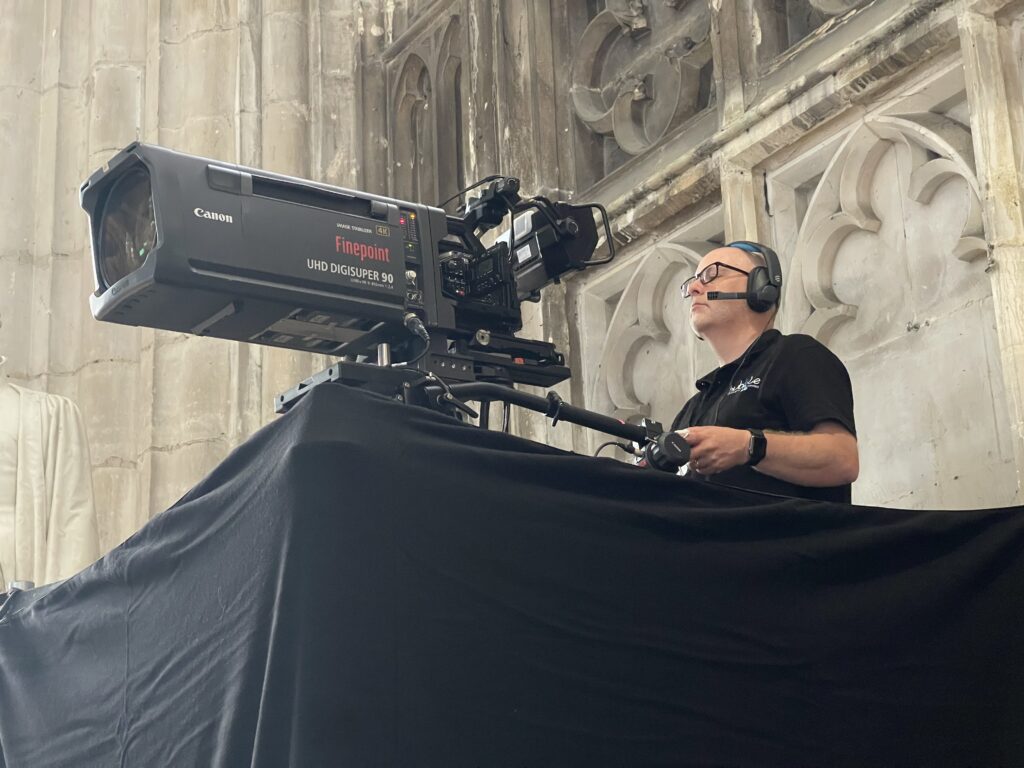
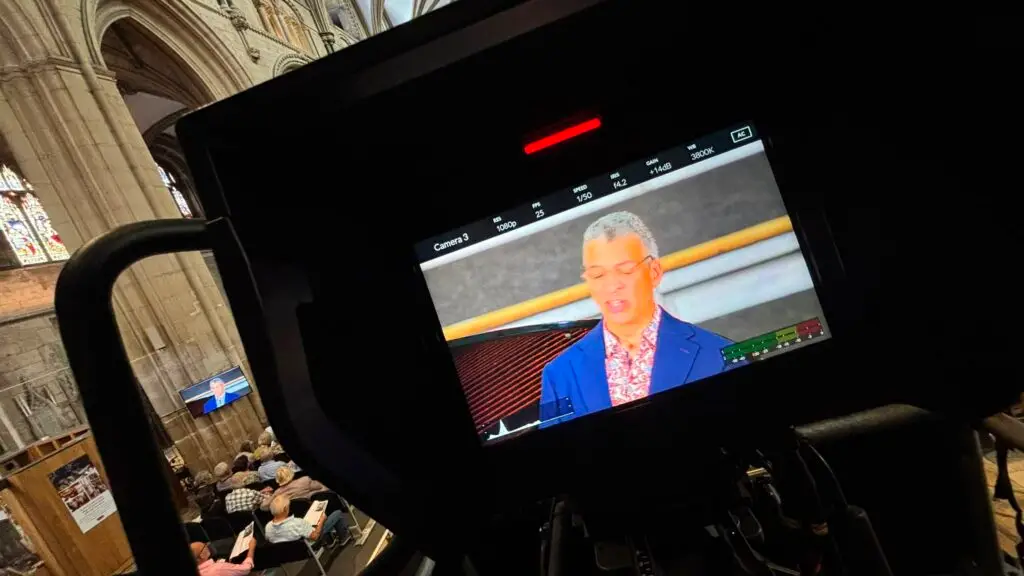
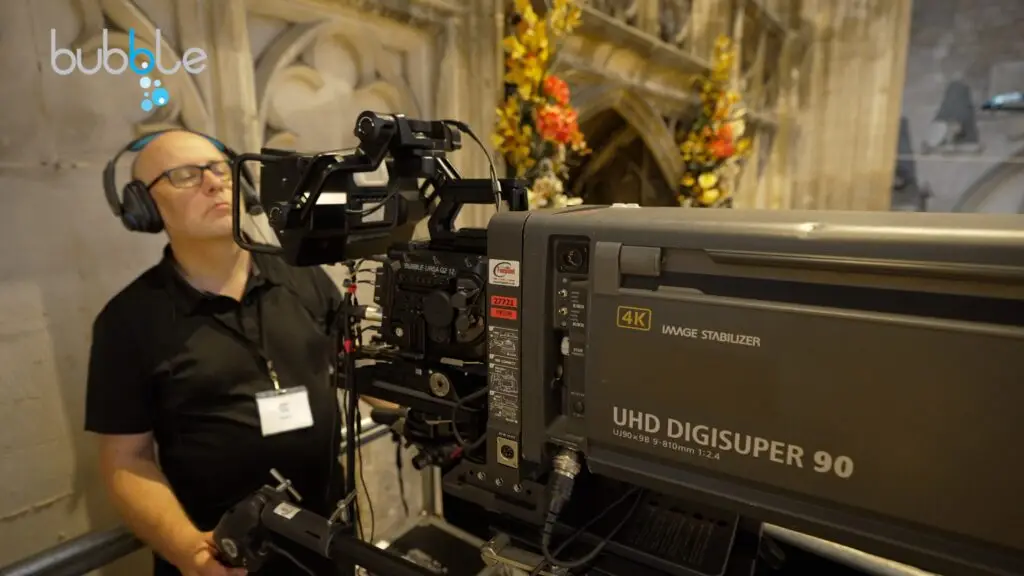
Blackmagic Ursa G2 in action

Filming a live orchestral performance is very different from filming a conventional event. There are no second takes, no pauses and no opportunities to repeat a moment if it is missed. Every camera operator must understand the performance, anticipate what is about to happen and respond quickly without distracting the audience or performers.

At this year’s Three Choirs Festival, Bubble Production is once again providing the live camera coverage that brings the performances to screens throughout the cathedral. The production allows audience members in seats with restricted views to follow the concert in real time, while preserving the atmosphere of the live performance.

Meet the Team: Camera Operator, Jon Essex

As part of our behind-the-scenes series from Three Choirs Festival, we are taking a closer look at the people responsible for delivering the live production.

In this first film, we focus on the role of the camera operator.

Our thanks go to Jon Essex, who has worked as part of the Bubble Production camera team while also creating this series of behind-the-scenes films.

His work offers a valuable insight into the concentration, teamwork and technical awareness required to film live orchestral performances successfully.

The Role of a Camera Operator

A camera operator’s job is not simply to point a camera at the stage. During an orchestral concert, the operator must constantly listen, watch and anticipate.

A musical cue may last only a few seconds. A soloist may rise, a conductor may signal a new section or a particular instrument may become the focus of the performance. The camera operator needs to recognise these moments and frame the shot before the vision and music director call for it.

This requires concentration, technical skill and a strong understanding of live production.

The operator must also maintain smooth, stable and carefully composed images. Camera movements need to feel natural and unobtrusive. Sudden zooms, unnecessary movement or poorly timed reframing can be distracting, particularly during quieter sections of a performance.

Working as Part of a Live Production Team

Live orchestral filming is a team effort.

The camera operators work closely with the vision director, who takes a cue from the music director and selects the shots that appear on the screens around the venue. The director follows a marked musical score and uses it to anticipate solos, instrumental changes and important visual moments.

Clear communication between the director and camera operators is essential. Operators receive instructions through their headsets, but they must also use their own judgement to prepare useful shots and react to anything unexpected.

A good camera operator is always thinking ahead. This gives the director a range of strong options and helps the production flow naturally with the music.

Filming Inside a Cathedral

Working inside a historic cathedral brings its own challenges.

Camera positions must be carefully chosen to provide useful angles without blocking sightlines or interfering with the performance. Equipment needs to be installed discreetly, and operators must remain sensitive to the surroundings throughout the concert.

Lighting levels can also vary considerably. Bright stage areas may sit alongside darker parts of the building, so camera settings must be managed carefully to maintain consistent and natural-looking images.

The scale of the venue is another consideration. Long camera angles, architectural features and audience positions all influence the way each shot is framed.

At Three Choirs Festival, the camera team works alongside remotely operated cameras and small fixed cameras positioned around the orchestra. Together, these provide a wide range of views, from broad shots of the full performance area to close-ups of musicians, soloists and the conductor.

Capturing the Performance Without Distracting From It

The aim of live orchestral filming is not to overwhelm the performance with unnecessary camera movement or constant cutting. The pictures should support the music.

A wide shot can show the scale of the orchestra and choir. A close-up can reveal the concentration of a soloist or the precision of the conductor. A carefully timed shot of a particular instrument can help the audience understand where an important musical line is coming from.

The most effective camera work often feels effortless. The audience should be able to follow the performance naturally without becoming overly aware of the production behind it.

That balance takes experience.

Professional Multi-Camera Production for Live Music

Bubble Production provides professional multi-camera filming, live relay and broadcast production for concerts, festivals and live events across the UK.

Our teams have extensive experience filming orchestras, choirs and live performances in cathedrals, concert halls and outdoor venues. We provide camera crews, portable production units, outside broadcast facilities, live streaming and on-site screen coverage.

Whether the production is being streamed online, recorded for future use or relayed to screens around a venue, our goal is always the same: to capture the performance clearly, creatively and without compromising the live experience.

To discuss filming, streaming or live screen coverage for your event, contact the Bubble Production team.
Blackmagic Ursa G2 in action

Take a look at the other profile films following our work at Three Choirs Festival here: https://bubbleproduction.co.uk/live-streaming-insights/

Filming Orchestral Performances at the Three Choirs Festival 2026

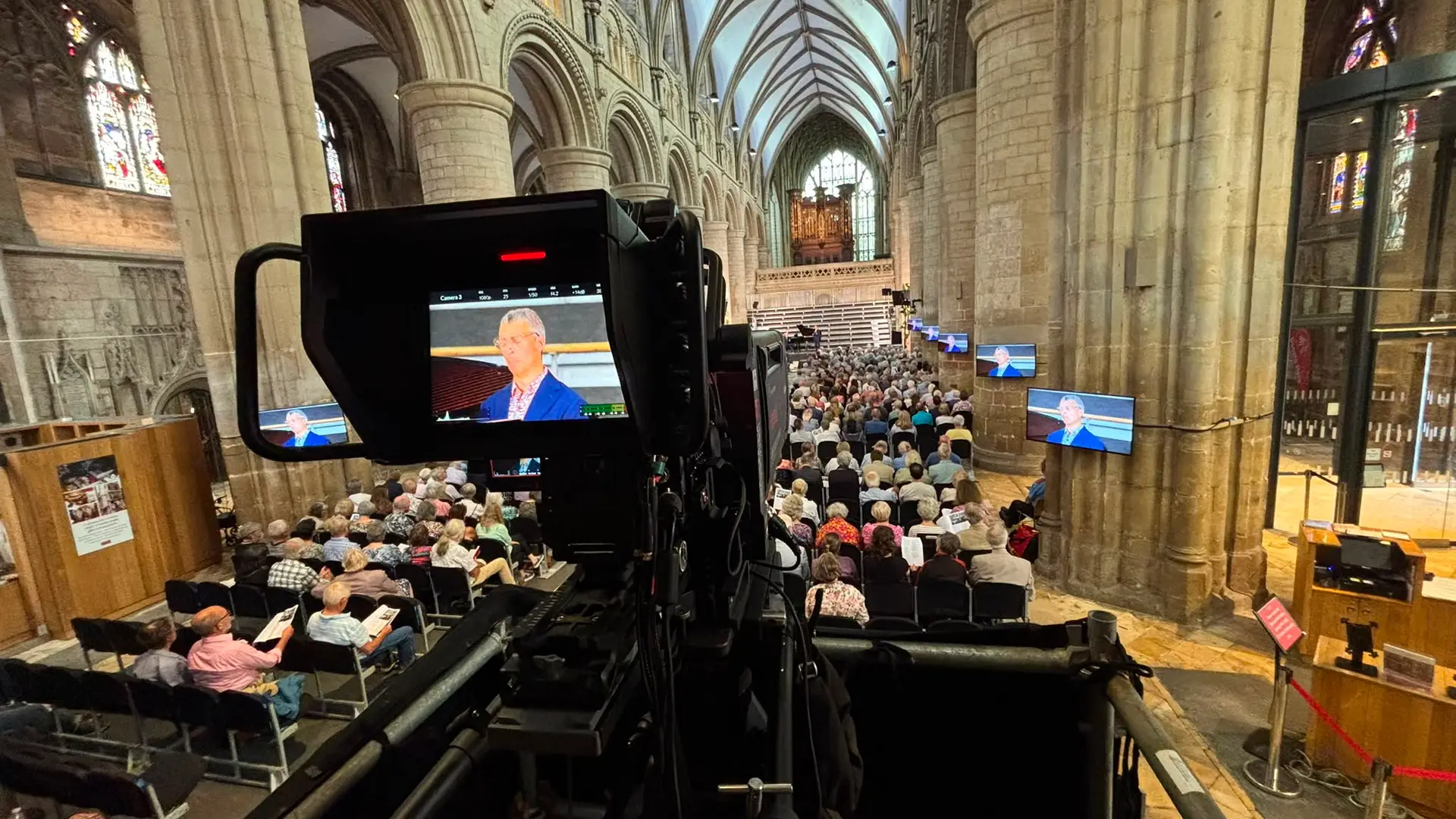
Camera platform view

The Three Choirs Festival has a much longer history than Bubble, but 2026 marks our fourth year providing professional filming for orchestral performances at this remarkable event.

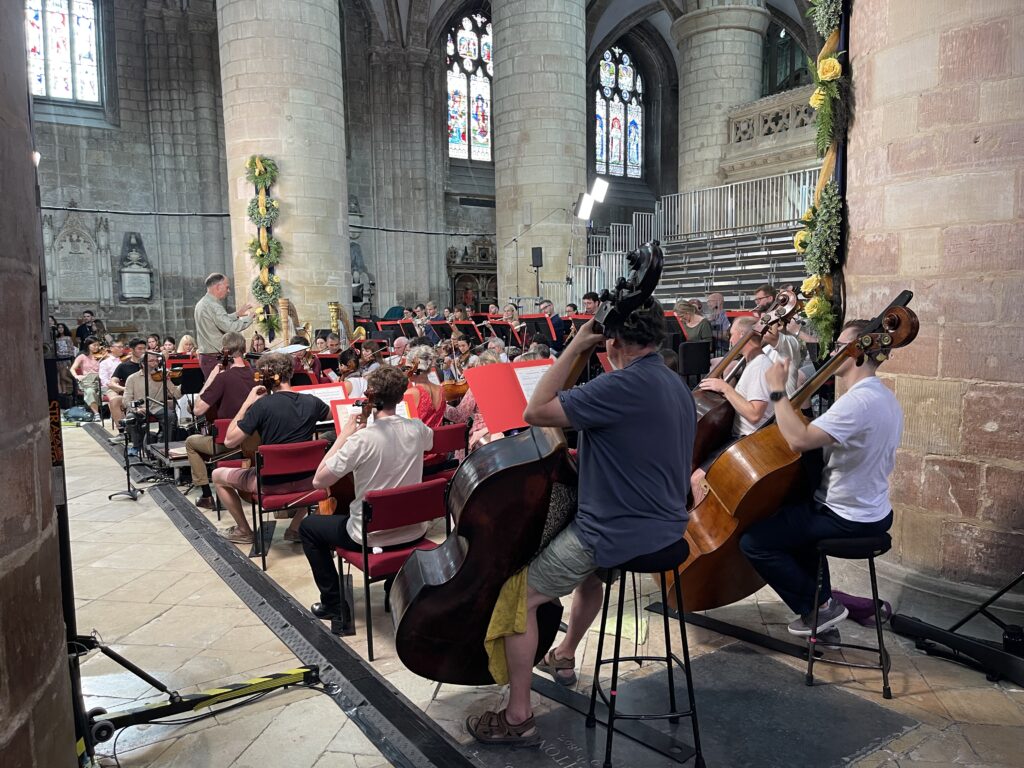
We are delighted to be back at Gloucester Cathedral for eight days of world-class choral and classical music. Throughout the festival, the Bubble Production team is providing live vision facilities and relaying the performances to 28 screens positioned around the cathedral.

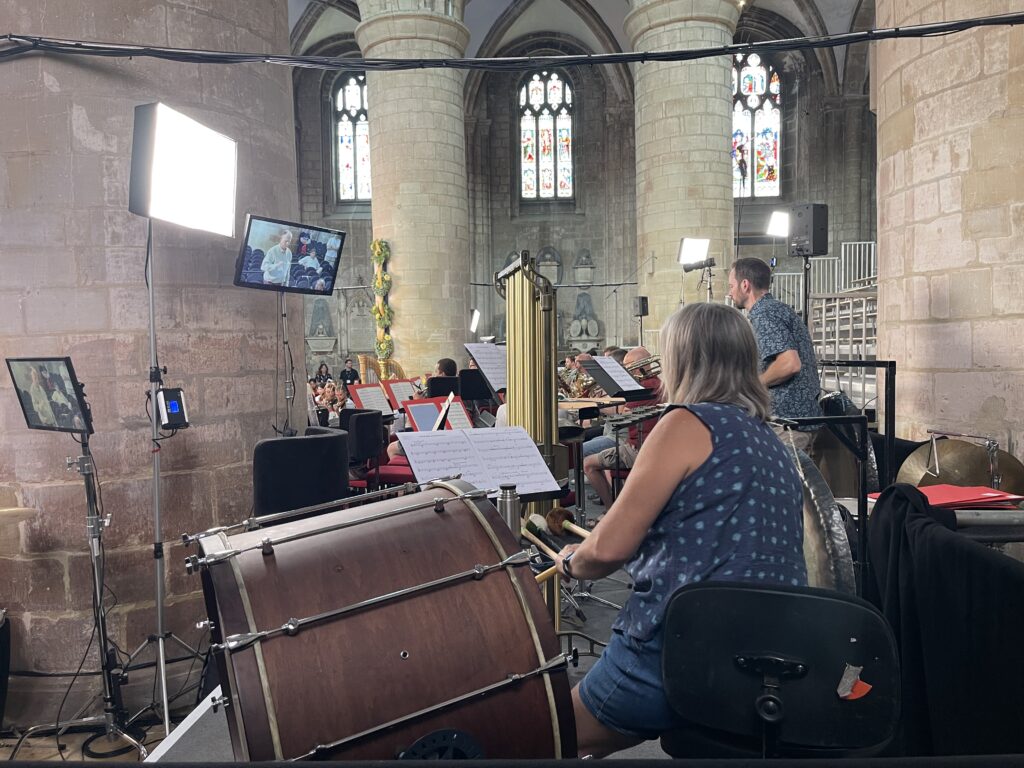
Musicians rehearse
Beating the drum for Three Choirs
Canon UHD UJ90x9 box lens in action

Bringing Orchestral Performances to Every Seat

Filming orchestral performances inside a historic cathedral presents a unique set of challenges. Above all, our brief is to capture the scale and atmosphere of each concert without creating unnecessary visual clutter around the orchestra, choir or audience.

To achieve this, we use a carefully designed combination of robotic, fixed and operated cameras.

Four PTZ robotic cameras are mounted high on the cathedral pillars, providing excellent views without taking up valuable floor space. A further six discreet micro cameras are positioned within the orchestra. These work alongside the main operated cameras to produce a varied and engaging live programme.

As a result, audiences can enjoy close-up views of the conductor, soloists, choir and individual sections of the orchestra without intrusive equipment affecting the performance.

Energy-Efficient Lighting in Gloucester Cathedral

Lighting a large orchestral stage effectively is equally important. The main performance area is lit using two 10k-equivalent LED lights, each drawing only 800W.

These powerful LED fixtures generate significantly less heat than traditional lighting while also reducing the amount of electricity required. Therefore, they help us support the festival’s sustainability objectives without compromising the quality of the pictures.

The choir rake is supplemented by six smaller softbox lights, creating an even and natural-looking image across the full performance area.

Live Pictures Across 28 Cathedral Screens

The finished live production is relayed to 28 pillar-mounted and floor-mounted screens throughout Gloucester Cathedral.

These screens are particularly valuable for audience members seated in areas with restricted views. Instead of missing key moments, they can follow the conductor, soloists, choir and orchestra throughout the performance.

The system allows more of the audience to experience the visual detail and emotion of each concert, wherever they are seated.

Camera platform view

A Specialist Classical Music Production Team

Across the eight-day festival, our four-person production team covers two concerts each day and occasionally three.

The team includes:

  • A music director who follows the orchestral score
  • A vision director who selects and cuts the live pictures
  • A camera operator capturing the main stage action
  • A vision engineer managing the technical production

Following the score is an essential part of filming classical music. It allows the production team to anticipate solos, musical cues, changes in tempo and important moments within the performance.

Rather than simply reacting to what happens on stage, the team can plan each shot and bring the audience closer to the m

Supporting the Three Choirs Festival

It is an honour to provide the live vision facilities for the Three Choirs Festival once again.

The festival is recognised as the world’s longest-running classical music festival. Its roots date back to the early eighteenth century, when local music societies began holding annual meetings involving the cathedral choirs of Gloucester, Worcester and Hereford.

The name Three Choirs Festival was officially adopted in Gloucester in 1838. Today, the festival continues to bring exceptional choral and orchestral music to audiences while maintaining a tradition that stretches back more than 300 years.

For Bubble Production, it is a privilege to use our experience of filming orchestral performances to help every member of the audience enjoy this historic festival.

https://www.linkedin.com/company/bubble-production

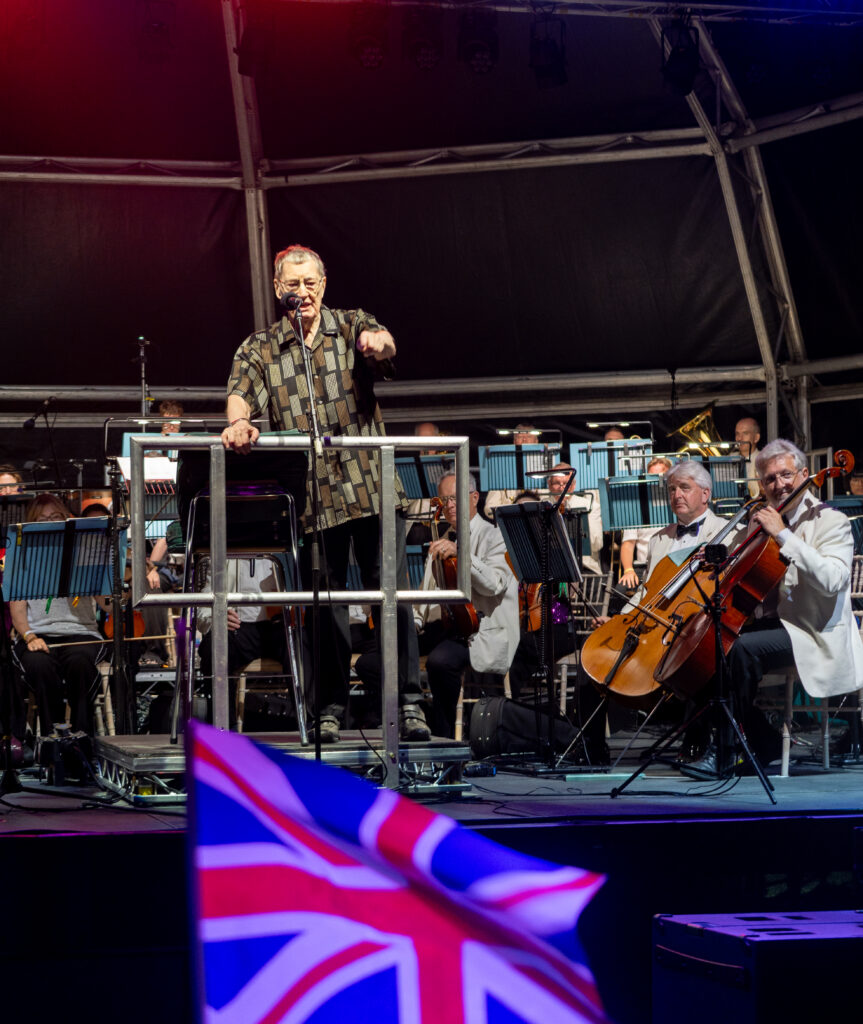
Battle Proms 2026: Bubble Production Returns for a Decade of Live

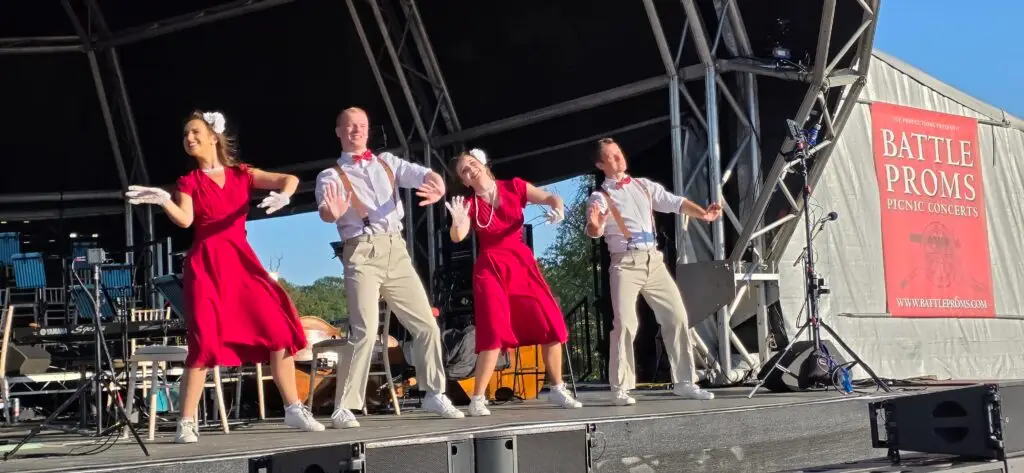
Battle Proms 2026 begins this weekend, and Bubble Production is delighted to return for our 10th consecutive year providing live event production and big screen coverage for this spectacular concert series.

Since its launch in 1997, Battle Proms has become the UK’s longest-running picnic proms series, welcoming around 30,000 visitors each summer to some of England’s finest stately homes. This year’s tour visits venues in Lincolnshire, Hertfordshire and Hampshire, bringing together world-class music, military history, heritage displays and unforgettable outdoor entertainment.

A Celebration of Music, Heritage and Spectacle

The Battle Proms 2026 programme celebrates some of the greatest music ever written for film, television, musicals and the concert hall.

Audiences can enjoy a medley of James Bond themes performed alongside the Battle Proms Belles, nostalgic favourites from the 1940s and 1950s, and even the famous theme from The Archers, marking the programme’s 75th anniversary.

The evening opens in spectacular fashion as the legendary Grace Spitfire flies overhead during Elgar’s stirring Pomp and Circumstance March No. 4.

There is plenty more to look forward to, including a performance of Mozart’s Flute Concerto No. 2 and Flight of the Bumblebee by this year’s young soloist, while the Worcestershire Cavalry ride into the arena during The Light Cavalry Overture.

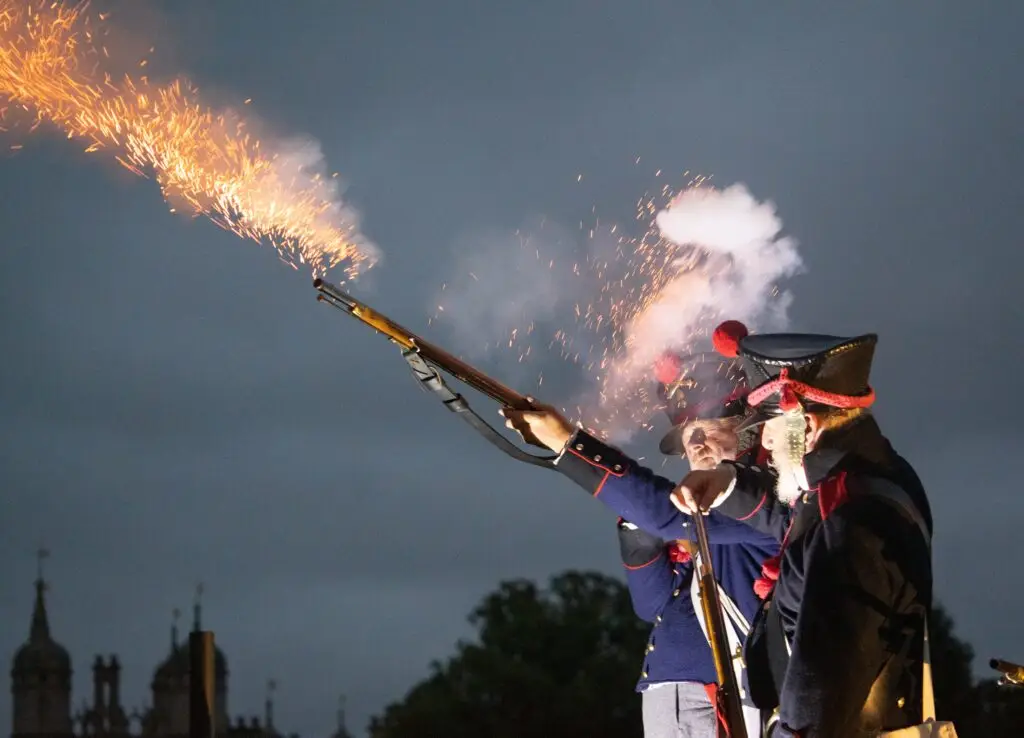
The concert reaches its unforgettable climax with Tchaikovsky’s 1812 Overture and Beethoven’s Battle Symphony, accompanied by more than 200 live cannons providing the percussion. The evening concludes with the traditional Last Night of the Proms finale beneath a spectacular fireworks display.

Behind the Scenes: Bubble Production’s Live Event Coverage

While audiences enjoy the performance, Bubble Production is working behind the scenes to ensure everyone has the best possible view.

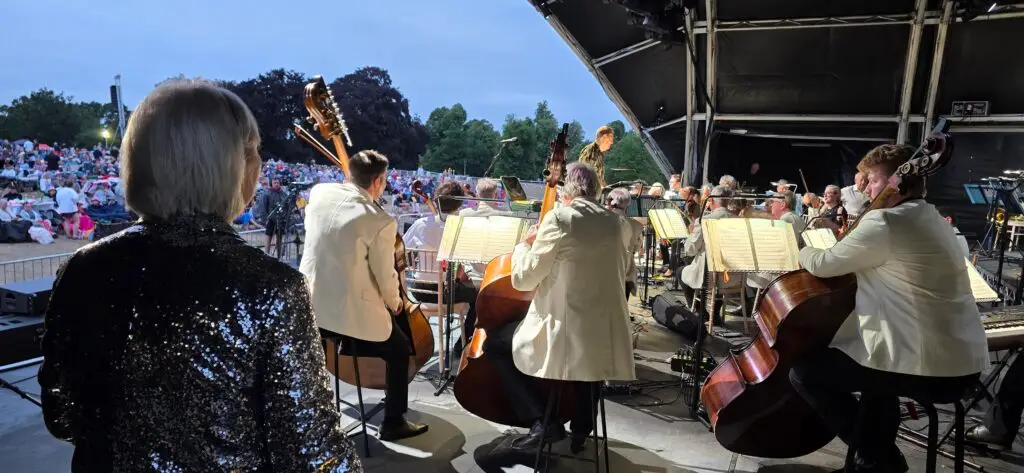
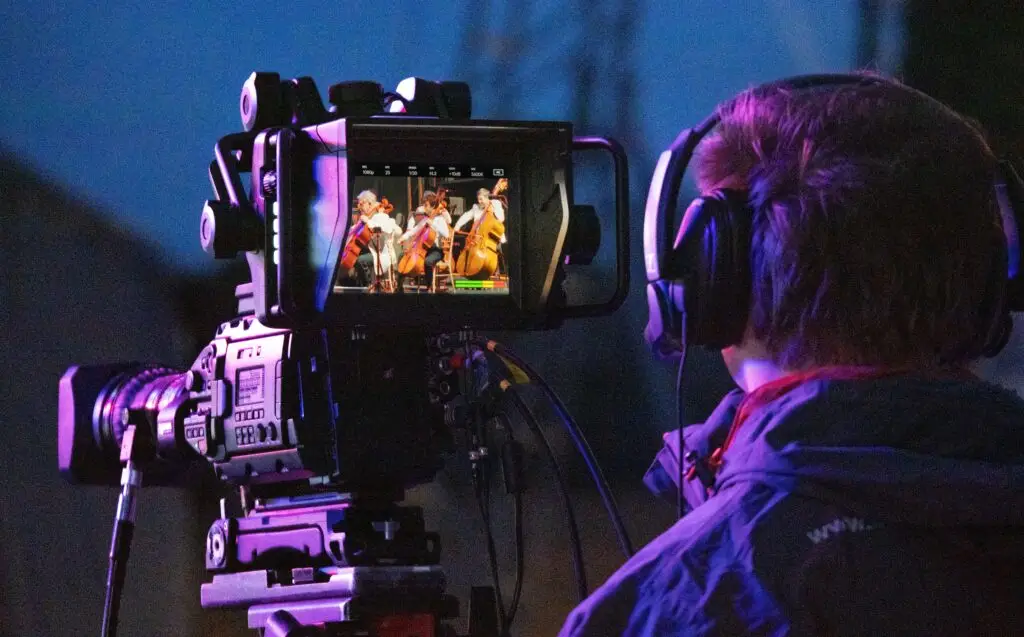
Our experienced outside broadcast team will deploy 14 broadcast cameras across the venue, capturing every element of the event—from the orchestra and soloists to the cavalry displays, aerial flypast, audience reactions and dramatic fireworks finale.

The live camera feeds are mixed in real time and relayed to the giant LED screens around the arena, helping every audience member stay connected to the performance wherever they are seated.

Producing live coverage of an event on this scale requires detailed planning, experienced crew and reliable broadcast technology. Every camera position is carefully chosen to tell the story of the evening, combining sweeping scenic shots with intimate close-ups that bring the music and performances to life.

Proud to Support Battle Proms for 10 Years

We are proud to be working alongside the fantastic team at JSL Productions once again and look forward to another memorable summer of music, heritage and live entertainment.

Here’s to another successful Battle Proms 2026—filled with orchestral favourites, cavalry charges, Spitfires, fireworks and, of course, plenty of cannons.

If you’re planning a large-scale outdoor event and need professional live event production, outside broadcast services or big screen coverage, we’d love to hear from you.